
In the wake of widespread layoffs across the U.S., companies are scrambling to recalibrate their workforce strategies.
In a recent Business Insider Report – Major firms like PwC, Nike, and Google are shedding thousands of jobs in an effort to trim costs—PwC alone is cutting 1,800 positions, while Nike plans to implement severances as part of a $2 billion cost-cutting initiative. As organizations face this economic uncertainty, the need to secure a stable future talent pipeline is becoming increasingly vital.
With rising competition for highly skilled professionals, companies must prioritize early talent acquisition as a long-term strategy for growth and sustainability. This makes campus recruitment a prime avenue for building a resilient talent pipeline.
According to Korn Ferry’s 2024 Talent Acquisition Trend Report, 76% of Gen Z employees prioritize learning and development. In this blog, we’ll explore two often overlooked but highly effective strategies for fortifying your early-hire talent pool: mentorship and fostering long-term relationships with former interns.
I. The Role of Mentorship in Early Talent Acquisition
Mentorship is no longer just a “nice-to-have” in the world of talent acquisition; it’s becoming a game-changer. With 65% of early talent stating they’d leave their current employer for an organization offering more mentorship opportunities, it’s clear that fostering strong mentor-mentee relationships can give your recruitment strategy a significant edge.
A. Innovative Campus Recruitment Strategies for Effective Mentorship Programs
1. Improve Mentors with D&I Knowledge

Today’s mentorship programs need to account for the diverse backgrounds of early-career talent. That means your mentors should be well-versed in diversity, equity, and inclusion (D&I) principles. A few essentials include:
- Understanding Diversity & Unconscious Bias: Encourage mentors to familiarize themselves with both internal diversity (e.g., race, age, sexual orientation) and external diversity (e.g., life experiences, education). This is essential in creating a more empathetic and inclusive coaching relationship.
- Acknowledge Unconscious Bias: Everyone has biases—it’s human nature. The key is recognizing them. Provide mentors with the tools to assess and address their own unconscious biases to ensure their guidance is based on fairness, empathy, and acceptance.
- Nonjudgmental Coaching: Mentors should create a space where mentees feel safe and valued. Empathy and openness go a long way in fostering a positive mentorship dynamic.
- Enhance Listening Skills: Coaching is more than dispensing advice—it’s about understanding. Encourage mentors to be present and fully engage in active listening, including nonverbal cues, to understand their mentees’ perspectives better.
- Develop Inclusive Coaching Techniques: Every mentee is different. Mentors should be flexible, adapting their coaching techniques to meet the individual needs of each mentee and fostering rapport through conscious listening
Case Study: Avison Young – A Manual Mentorship Model
Let’s take a look at Avison Young, a Canadian commercial real estate firm, and their approach to mentorship. The company launched a mentorship program focused on diversity and inclusion (D&I), particularly aiming to elevate women into leadership roles.
The program connected seasoned employees and organizational leaders with members of Employee Resource Groups (ERGs), specifically underrepresented groups such as the Black Professionals Resource Group and LGBTQ+. Mentors came from various parts of the company, offering mentees valuable guidance on navigating leadership roles.
While participation was limited to specific ERGs, the program saw notable success. Women and other underrepresented groups were given the mentorship and confidence they needed to break into senior positions, significantly improving the company’s inclusivity in leadership.
The takeaway? A thoughtfully structured mentorship program can help companies diversify their leadership and retain top talent by providing them with the necessary development opportunities.
2. Match Mentor and Mentee with Tried-and-True Profiling Methods
Finding the right match between mentors and mentees is crucial for a successful mentorship program. Leveraging profiling methods can help you align mentors and mentees based on their personalities, career goals, and work styles.
You can find many best practices and guides from professional organizations and industry leaders on how to best match mentors and mentees. For example, TIPS by thinkergy is a potentially highly effective profiling method.
Case Study: TIPS Profiling Method
TIPS stands for “Theories, Ideas, People, Systems,” representing the four fundamental social ecosystems that drive technological, economic, and social change. Apart from these four bases, TIPS also captures four cognitive styles that describe how individuals prefer to think, work, interact, and live.
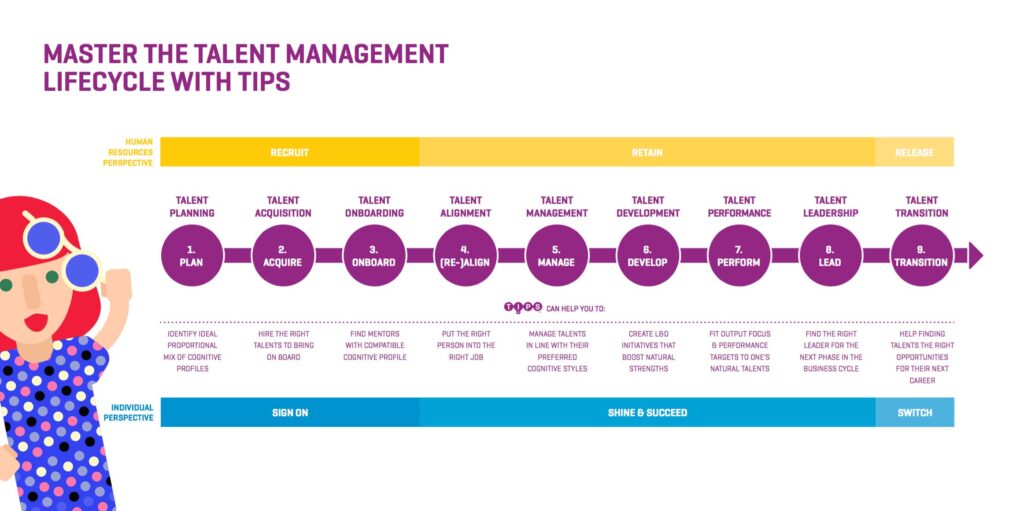
TIPS provides a comprehensive understanding of individuals’ thinking preferences and innovation styles, which can be invaluable in pairing mentors and mentees effectively.
By matching mentors and mentees based on these profiles, you ensure a more harmonious and productive mentorship relationship tailored to each participant’s unique needs and strengths.
3. Leverage Cross-Campus Collaboration
Building a robust early-hire pipeline doesn’t happen in isolation. Collaborating with university career services departments can provide a holistic approach to integrating career readiness into academic programs. You can combine these approaches into a robust collaboration project or individually:
- Bring in Alumni Mentors: Engage alumni to offer students real-world career guidance, industry insights, and networking opportunities. Alumni can provide invaluable perspectives and connections that enhance students’ understanding of their future careers.
- Implement a Structured Mentorship Course: Develop a curriculum-based mentoring program, such as a one-credit course. This course could cover essential topics like resume writing, interview preparation, and LinkedIn profile development, equipping students with practical job search skills.
- Provide Career Development Workshops: Complement mentorship with workshops that boost career preparedness. Focus on key areas such as networking, professional branding, and interview techniques to help students align with their career goals.
While you are executing your cross-campus collaboration effort, don’t forget to:
- Create a Continuous Feedback Loop: Establish an advisory board to oversee the program, gather feedback, and ensure ongoing improvement. Involve alumni and campus partners in decision-making to keep the program aligned with both student and institutional needs.
- Focus on Long-Term Expansion: Start with a pilot program and gather insights to ensure sustainability. Prepare for future growth by expanding mentor pools and refining the program’s structure.
Case Study: The Baltic-American Freedom Foundation (BAFF) Alumni Mentorship Program
The Baltic-American Freedom Foundation (BAFF) launched an Alumni Mentorship Program in 2021 to connect BAFF alumni across various industries, fostering professional growth and development. Here’s how they made it work:
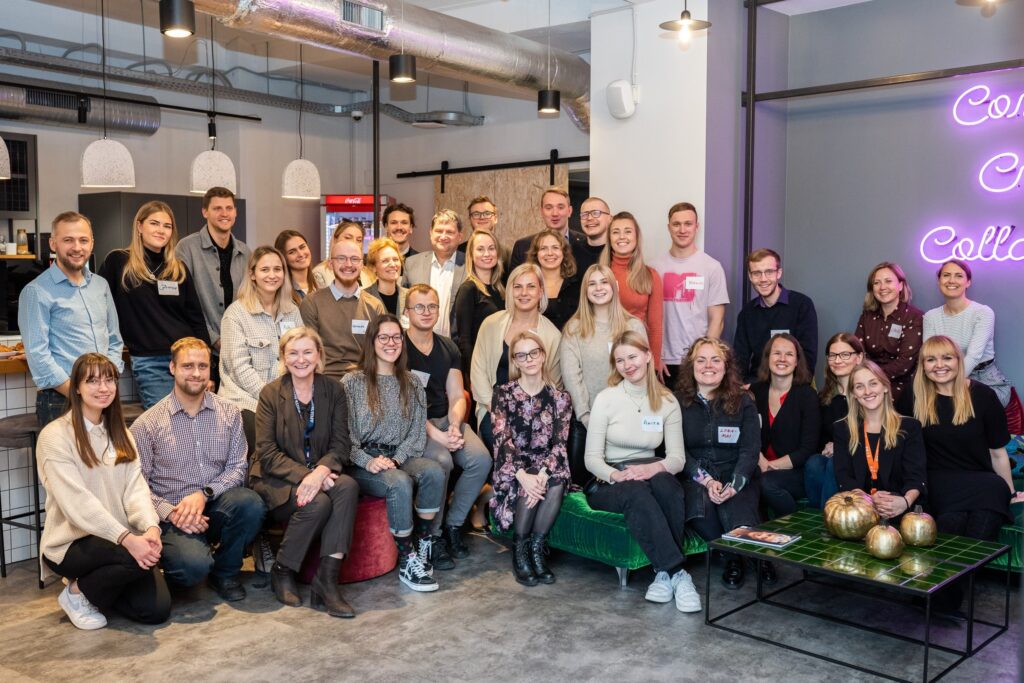
- Matching Process: BAFF uses participant profile data—such as industry, experience, and mentorship goals—to align mentors and mentees effectively. This personalized matching process increases the potential for meaningful, career-advancing relationships.
- Mentoring Relationships: The program emphasizes a supportive, non-professional dynamic. Each relationship is unique, based on mutually agreed-upon interactions. Mentors guide mentees through exploring new perspectives, discussing career challenges, and developing their full potential.
- Support and Guidance for Mentors: BAFF offers consultation sessions, resources, and access to previous program mentors. These sessions create a collaborative environment where mentors can enhance their skills and address challenges.
- Training and Inspiration: Participants receive initial training on mentoring best practices, constructive feedback, and goal-setting. Inspiring guest speakers and continuous learning resources, such as Clifton Strengths tests and goal-setting templates, enrich the mentorship experience.
- Certificates of Achievement: Active participants who engage in training sessions, receive positive feedback, and attend meetings regularly are awarded certificates, recognizing their commitment and growth.
4. Reverse Mentoring

Reverse mentoring is an innovative approach that bridges generational gaps and fosters mutual learning. In a reverse mentoring program, younger candidates can be brought in to mentor senior leaders on emerging areas like technology, digital transformation, and social justice issues.
This two-way street of wisdom helps create valuable connections between student candidates and organizational leaders, often long before students graduate.
- Introduce Emerging Trends: Younger mentors can provide insights into new technologies, digital trends, and evolving societal issues, keeping senior leaders informed about current and future market shifts.
- Foster Cross-Generational Learning: Encourage a culture where knowledge flows both ways. Senior leaders gain valuable perspectives on innovation, while younger candidates benefit from the experience and strategic insight of their more seasoned counterparts.
- Create Early Connections: Use reverse mentoring to establish strong connections between students and your organization. This approach helps students feel valued and understood while preparing them for future roles.
- Evaluation Opportunities: Putting student candidates in a relationship where they are in an active role also provides your organization with additional information – such as culture fit & leadership capability to help with recruitment evaluation.
5. Recognition Event Hosting

Hosting annual recognition events is a powerful strategy to both motivate and attract early talent. These events not only reward current talent for their achievements but also serve as a strong incentive for future recruits.
Imagine an annual gala where top performers are celebrated for their hard work and accomplishments. Such events create a culture of recognition and appreciation, making your organization more attractive to prospective candidates who value acknowledgment and reward.
Recognition events can also serve as networking opportunities where current employees and future talent interact and build relationships. By showcasing your commitment to celebrating achievements, you signal to potential recruits that your organization values and invests in its people.
6. Gamification in Learning
Traditional learning can sometimes feel like watching paint dry. By introducing friendly competition and incentives such as points, levels, achievements, and leaderboards, gamification makes learning more interactive and enjoyable. This approach involves integrating personas, quests, and real-world simulations to create immersive role-playing experiences and scenario challenges that align with career advancement goals.
Case Study: Clarion University
Clarion University effectively implemented gamification through its CUmentor and CUprofessional programs. Here’s how they did it:
- CUprofessional: This professional development initiative includes activities across five key areas: career exploration, job search documents, interview skills, professionalism, and career transition. Students complete tasks in these categories to earn digital badges, which serve as a form of gamification and provide tangible recognition for their efforts.
- Digital Badging: These badges are not only for bragging rights. They can be shared on platforms like LinkedIn, enhancing students’ resumes and demonstrating their acquired skills to potential employers. Each badge comes with a description of what you’ve mastered so employers know exactly what you’re bringing to the table.
- Mentorship Eligibility: Score a badge, and you’re one step closer to joining the CUmentor program. This ensures that by the time you’re paired with a mentor, you’ve already got a solid foundation of skills to make the most of the relationship.
- Student Engagement: Since gamification made its grand entrance in 2016, Clarion University has issued over 750 badges and racked up 7,500 social media shares. Gamification has made professional development not just a necessity but a fun, rewarding experience.
B. Creating Effective Mentorship Programs: Key Strategies

Mentorship programs can be a game-changer in talent acquisition and development, but only if they’re done right. To ensure your program is effective and engaging, focus on these four core pillars:
1. Lay the Foundation A successful partnership starts with structure.
-
Set Clear Expectations: At the outset, define clear goals, roles, and expectations. When everyone knows the destination, the journey is smoother.
-
Schedule Regular Check-ins: Consistency is the engine of mentorship. Establish regular meeting times to discuss progress and challenges to keep the relationship running like a well-oiled machine.
2. Master the Art of Communication Great mentorship is built on how well you connect.
-
Promote Active Listening: It’s not just about giving advice; it’s about truly understanding. Encourage attentive listening to build mutual respect.
-
Provide Constructive Feedback: Honest feedback is the bread and butter of growth. Balance praise with constructive notes on areas for improvement—think of it as a gentle nudge in the right direction combined with a high-five.
3. Foster Engagement & Innovation Move beyond simple Q&A sessions to create a dynamic learning environment.
-
Spark Curiosity & Personalize Challenges: Encourage follow-up questions and tailor challenges that push mentees to think creatively.
-
Utilize Reverse Mentorship: Turn the tables by allowing mentees to share their knowledge with mentors. This two-way exchange keeps the dynamic fresh and fosters mutual respect.
4. Go Beyond the Office Make the experience holistic and memorable.
-
Invite Mentees Into Your World: Give them a “backstage pass” by introducing them to your network or letting them shadow your work.
-
Build a Toolbox: Curate a collection of articles, podcasts, and resources they can refer to anytime.
-
Recognize & Record: Celebrate successes, no matter how small, and document the journey through notes or photos. This serves as a tangible reminder of how far they’ve come.
By focusing on these strategic areas, you can transform a standard mentorship program into a powerful engine for talent retention and leadership development.
II. Building Long-Term Relationships with Interns

The internship experience doesn’t end when the internship officially wraps up. Maintaining a connection with former interns is crucial for keeping the talent pipeline flowing and ensuring these promising individuals remain interested in future opportunities with your company.
In fact, companies that keep in touch with their interns are more likely to see higher conversion rates from intern to full-time employees. Here is how to keep that bridge open:
1. Build an Exclusive Community Make them feel like they are still part of the family.
-
Create Alumni Networks: Think of this as a VIP club where past interns can connect and stay engaged. Use social groups to share company news and materials (check out our 10 tips for social media recruiting for best practices).
-
Host Exclusive Events: Organize networking mixers or alumni meetups. These events provide a platform for former interns to interact with current employees, keeping the engagement strong.
2. Personalize Your Communication
Generic emails get ignored. Tailored outreach gets responses.
-
Leverage Technology: Personalized communication makes a significant difference. Tools like Rakuna’s Recruiting CRM & Text Recruiting Solution allow you to efficiently manage communication, ensuring you send tailored messages that reflect genuine interest without burdening your team.
-
💡 For a more comprehensive explanation of what a CRM is in recruiting, please refer to this article.
-
-
Mix Formal with Informal: Don’t just rely on formal check-ins. Offer opportunities for casual coffee breaks or lunch meetings to foster personal connections and trust.
3. Support Their Career Growth
Even if they aren’t working for you right now, be a resource for their success.
-
Facilitate Continued Networking: Introduce former interns to colleagues or professionals in departments where they might be a good fit.
-
Keep Them Informed: Ensure they know about relevant job openings. Even if they aren’t ready to apply immediately, it signals your continued interest in bringing them back.
4. Offer Flexible Engagement Opportunities Sometimes a full-time role isn’t available (or feasible) yet. Keep them close with alternatives.
-
Freelance, Consulting, or Part-Time Roles: If a full-time position isn’t open, offer freelance projects or consulting gigs. This allows former interns to stay engaged, gain further experience, and remain integrated with your organization until a permanent spot opens up.